
Rethinking Discount Strategies: A Step Towards Financial Stability
Business is facing an issue of inadequate operational funds. The sole option contemplated by many is seeking a loan from a bank. However, I’d like to provide a few examples that might help avoid this step.
Pricing Analysis: A Key to Sustainable Growth
Firstly, start by analyzing your customer discount policy and the accuracy of pricing. Special attention should be given to pricing – it’s one of the most common problems, especially at the start. Many companies set low prices in an attempt to compete with non-existent competitors. Nevertheless, after establishing a certain market reputation and gaining regular customers, maintaining such low prices might no longer be necessary. In some cases, raising prices might even help replenish the budget.
Beyond Discounts: Building Lasting Customer Loyalty
The next step is to examine how frequently you offer discounts to customers. The fact is, in most cases, discounts do not create customer loyalty. Furthermore, my experience across various fields shows that if your model relies solely on discounts to attract customers, getting rid of this practice later becomes extremely difficult, if not practically impossible. This can lead to customers associating your brand solely with discount offers.
Innovative Customer Engagement: Reinventing Discounts
A discount of 20-30% becomes expected in itself. It motivates customers to return to your establishment repeatedly or attracts them after receiving the discount. However, a discount is not only a tool for creating loyalty but also a means of capturing customer attention. Typically, providing a discount to a customer requires using a discount card or requesting contact information, but in the modern world, such a strategy often proves ineffective.
Bonus Systems: Enhancing Customer Retention
Statistics show that about 30% of customers consistently accumulate bonuses and never use them.
An alternative could be to consider not offering discounts but, for example, introducing a bonus system or deferred discounts. This way, a customer visiting today gets the opportunity to receive some cashback, which they can use as a discount on their next visit. Statistics show that about 30% of customers consistently accumulate bonuses and never use them. Therefore, I often advise my clients that if they’re willing to offer a 10% discount, it’s better to set up a 20% bonus instead.
The Customer’s Own Profit: Funding Loyalty Programs
When you provide bonuses, you’re essentially funding the loyalty program from the customer’s own profit. Most customers will accumulate bonuses to spend in one go or they’ll come to you because if you have a 10% discount, they can dine for free, and they’ll come 10 times essentially paying for their discount with their visits, making you practically pay for the loyalty program through the customer.
Innovative Credit from Loyal Customers
The next steps involve effectively obtaining credit from the customer. You need to assess if you can establish a scheme where loyal customers can prepay funds into your account to use your service. There are numerous options here. For instance, you might offer that if a customer pays 100 euros into a certain account, they receive 120 euros credited. For regular customers, this could be very appealing, essentially crediting you. They prepay for the service, almost like a subscription.
Leveraging Prepayments and Bonuses
This mechanism works well, especially when there’s an existing bonus system in place. Then, you can attribute the customer’s prepayment directly to their bonuses. A side note: handle bonuses very carefully. They shouldn’t be perpetual. For instance, giving a birthday bonus sum that can be spent without restrictions but only within a few days around the birthday can attract guests to your establishment. However, regular bonuses usually have a time limit, for example, one year. But bonuses linked to a user’s prepaid account should have restrictions; I wouldn’t tamper with those.
Membership and Subscription Loan Schemes
An interesting method to obtain loans from customers is to use memberships and subscriptions. If you have a regularly sold item, you can pre-sell it, like selling 10 cups of coffee for 35 euros or 100 cups for 30 euros. This might appeal to a daily coffee drinker, securing a customer who will always choose your business.
Empowering Customers as a Marketing Channel
All the mentioned methods involve customers prepaying for your goods or services. But there’s another significant area where you can find money: the customers themselves, who can be part of your marketing strategy. You can introduce referral schemes or multi-level marketing programs, where customers advertise your establishment among their friends and receive monetary rewards. This scheme often involves coupons for specific items or privileges, like a discount on the bill, and these coupons come with the option to share and earn. Many who see value in these coupons will gladly share with friends to earn cashback. The crucial aspect here is the channel to the customer. It’s not just about giving cashback; it’s about gamifying it to be immediate. Hence, you need a channel to the customer. That’s why, in our company, 7Loc, we handle orders not just via the web but also through messengers, where people are constantly present. It’s akin to receiving a message from a loved one; getting a message from a beloved restaurant about earning through a friend can be very rewarding.
Influencer Engagement and Digital Marketing
Furthermore, you can comfortably engage bloggers and influencers, who would promote similar coupons but with the exception that they might use these bonuses not for restaurant orders but receive payment from you for B2B marketing services. But this would be an honest deal. They see the direct outcome of their activity and get paid for their performance.
Elevating Customer Experience Through Digital Marketing
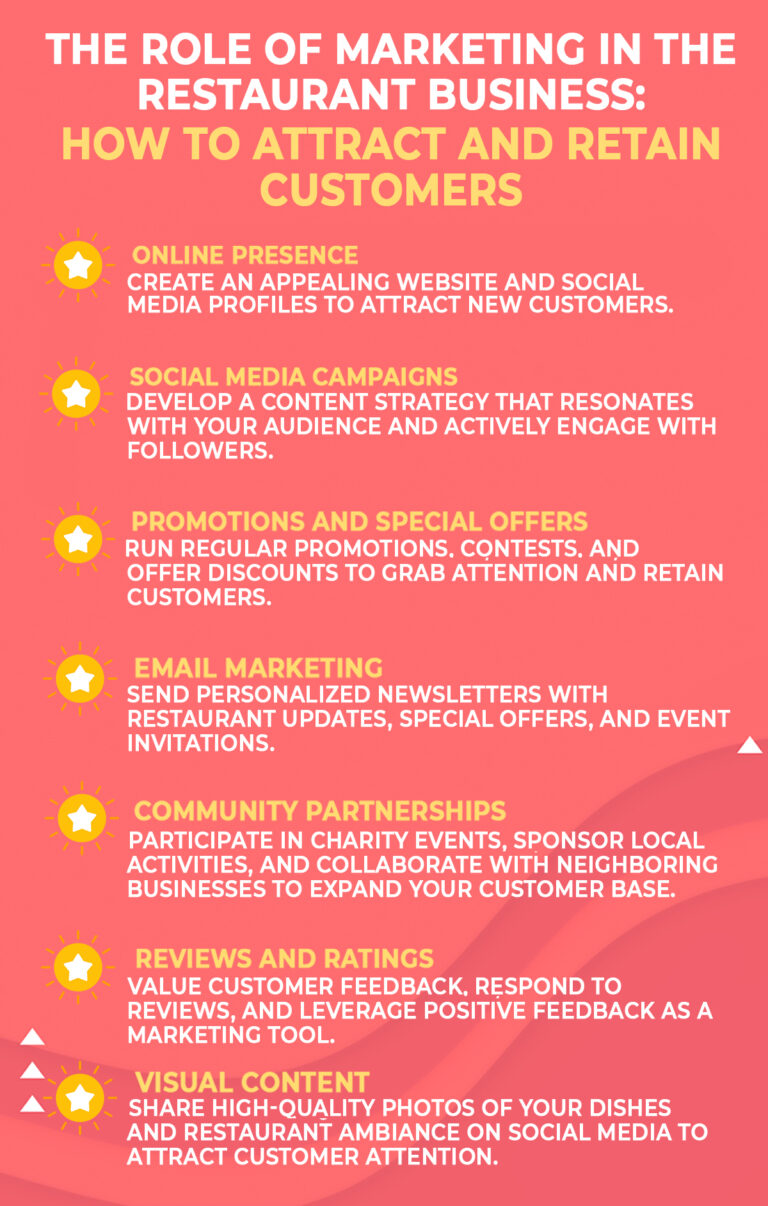
Don’t forget the traditional approaches. Gradually upgrade the customer experience by creating various promotions. Subsequently, regular marketing activities are necessary. But for these, you’ll need tools like coupons or certificates, all of which should be digital in today’s internet landscape.
Guidance and Advice for Innovative Marketing Strategies
If you’re interested in utilizing these tools, feel free to reach out to me. I’m always happy to provide guidance. However, of course, you need to reach a certain level where you have 1. a good product, 2. a base of loyal customers, and 3. a platform that allows for all this. But equally important is the desire. So, try to step back from operational flow, pause, and think about how you can indeed find money from your customers.